| MODEL | BMW S 1000RR |
| ENGINE TYPE | DOHC, valve activation via individual rocker arms and variable intake camshaft control system: BMW ShiftCam |
| Year | 2019 |
| Displacement / Capacity | 999 cc / 60.9 cu-in |
| Bore X Stroke | 80 x 49.7 mm |
| Compression Ratio | 13.3:1 |
| Cooling System | Liquid cooled |
| Max Power | 203.8 bhp (152 kW) @ 13,500rpm |
| Max Torque | 113 Nm / 11.5 kgf-m / 83.3 lb-ft @ 10500 rpm |
| Engine Management | — |
| Mixture Control | Electronic injection |
| Start System | Electric |
| TRANSMISSION SPECS | |
| Lubrication | Wet sump |
| Gear Box | Constant mesh 6 speed, chain drive |
| Clutch | Multi-plate anti-hopping wet clutch, mechanically activated |
| Primary / Final Drive | Final Drive : Chain 17/45 / Primary Drive : |
| Secondary drive | — |
| Gear Ratio | 1st 2.647, 2nd 2.091, 3rd 1.727, 4th 1.5, 5th 1.36, 6th 1.261 |
| CHASSIS SPECS | |
| Frame | Aluminium composite bridge frame, self-supporting engine |
| Front Suspension | USD telescopic fork, slide tube diameter 45mm. 120mm travel |
| Rear Suspension | Aluminium underslung double-sided swinging arm with central spring strut. 117mm travel |
| Brakes | Front Brakes: Twin 320mm disc brake, floating, radial 4-piston fixed calipers, ABS Pro / Rear Brakes : Single 220mm disc brake, single-piston floating caliper, ABS Pro / / ABS: BMW Motorrad Race ABS (part-integral), dis engageable, modes to select |
| Traction Management | — |
| Exhaust System | Emission control Closed-loop 3-way catalytic converters, EU-3 norm with electronically controlled interference pipe |
| DIMENSION SPECS | |
| Overall Length | 2073mm x 846mm |
| Seat Height | 824mm |
| Overall Height | 1140 mm / 44.8 in. (excl. mirrors) |
| Overall Width | 826 mm / 32.5 in. (incl. mirrors) |
| Overall Weight | Dry Weight - 197 kg (434 lb) / Wet Weight - |
| Wheelbase | 1441mm |
| Inner Leg Curve | — |
| WHEEL SPECS | Standard: die-cast aluminium , Race Package: forged aluminium , M Package: carbon fibre |
| Wheels / Rims | Front Wheel Rim : 3.50 x 17 / Rear Wheel Rim : 6.00 x 17 / |
| Front Tyre | 120/70 ZR17 |
| Rear Tyre | 180/55 ZR17 |
| Front Wheel Travel | 120 mm / 4.7 in |
| Rear Wheel Travel | 120 mm / 4.7 in |
| Castor | 96.5 mm / 3.8 |
| Steering Angle | 66.9 degrees |
| FUEL SYSTEM | |
| Fuel Capacity | 16.5 l (3.6 imp gal; 4.4 US gal) |
| Fuel Reserve | 4.1 Litres / 1.08 US gal |
| Fuel Consumption | 5.9 litres/100 km (claimed) |
| CAPACITIES | |
| Engine oil | — |
| Brake fluid | — |
| Top Speed | 185.01 mph / 300kmh |

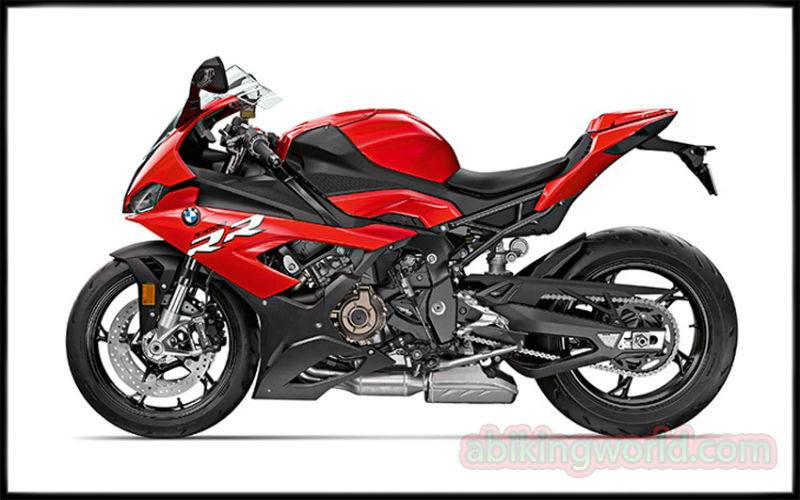
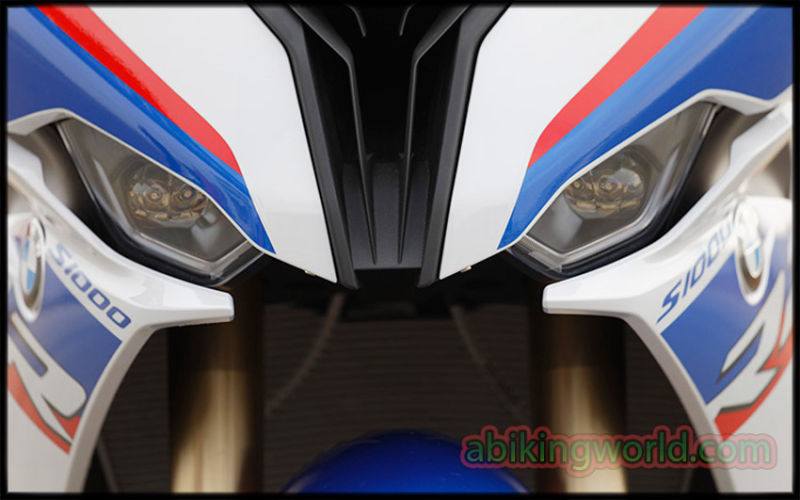
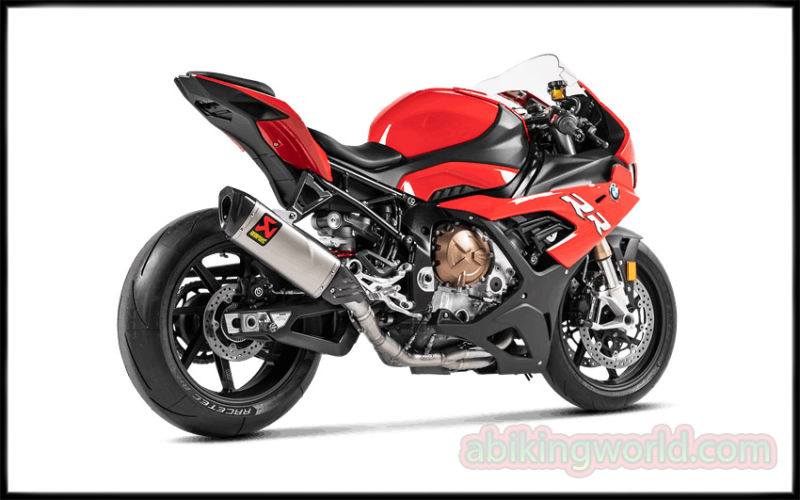
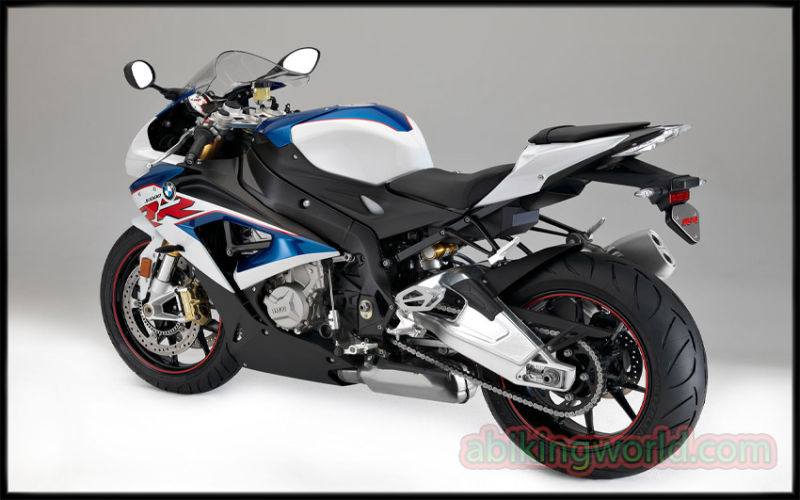
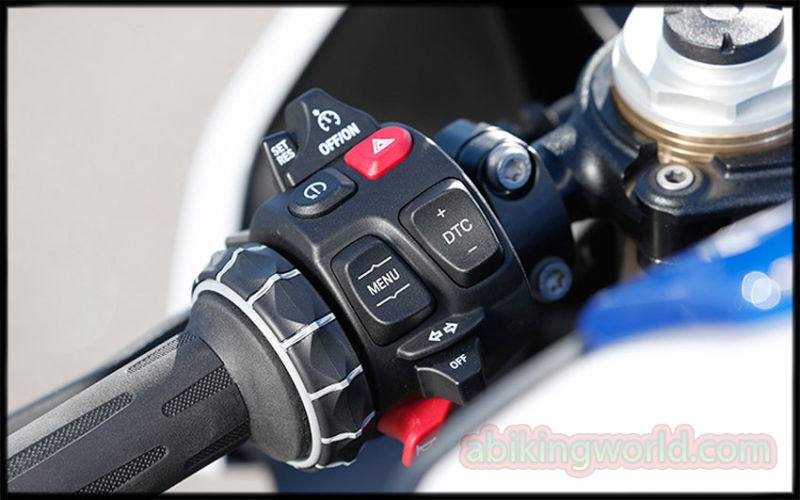
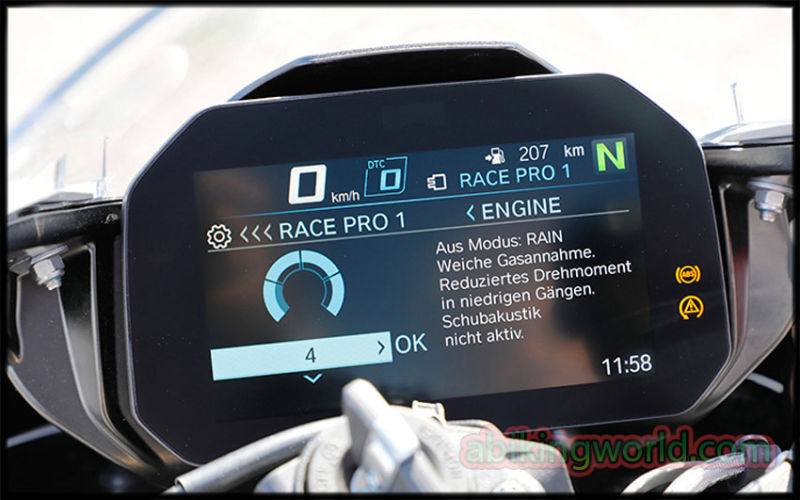

When your predecessor is the officially the fastest ever machine to have lapped the Isle of Man TT Mountain Course, you’ve got some seriously big shoes to fill. Of course, you could argue that if it ain’t broke then why fix it… but where’s the challenge in that? Four years ago when the project began to make BMW’s headline sports bike even better than before, the new model brief was to be one second faster on the track (short circuit), more than 10kg lighter and easier to control. 10 years since the original game-changing S1000RR impressed so mightily in its debut year, the 2019 model, marking the 3rd new generation in the family, has come on leaps and bounds including the riddance of those asymmetrical headlights – not everyone’s cup of tea. Not only does the overall look get upgraded while still retaining the recognisable silhouette, but immense improvements to the engine, frame, suspension, electronics and rider control systems warrant the “new from the ground up” comment from the German marque. Power and torque Peak power in good old bhp translates from 152 kW to 203.8bhp and is achieved at a red-line approaching 13,500rpm and that shows an increase of 8 bhp (6 kW) from the 2018 bike. There’s slightly more power in the middle of the rev range between 5,000 – 8,000 rpm and again the top end from 12,500rpm. However, while peak torque figures of 83.3 lb-ft (113 Nm) @ 10,500rpm isn’t much different to before, it’s the massive change in the mid and top-end that translates to epicness out of a corner or swinging around the country roads. And that’s somewhat down to the ShiftCam technology we were introduced to several months ago via the boxer-engined R1250GS, and now the variable valve timing cunning has been translated for the in-line four motor. Engine, gearbox and exhaust Unsurprisingly, faster and lighter were two of the key objectives when the development of the 2019 double R began and to be able to shave 4kg from the engine weight alone makes a significant step in the right direction to achieve both. As we’ve already asserted, the ‘ShiftCam’ variable valve timing has demonstrated advanced mechanics and boosted performance while reducing fuel consumption and emissions too. Add the world’s first ever hollow-bored titanium intake valves and speed resistant rocker arms into the equation and the internal combustion engine suddenly takes on a whole new performance level. The in-line four is narrow and while a V4 arrangement was considered, the engineers remained with tradition which was integrated into a new and lighter ‘Flex Frame’, acting as a load-bearer. They also somehow designed an engine with a seemingly incompatible higher peak output with increased torque in the low-mid rpm range, all while saving 4kg. Not that the outgoing model was slow but this is one hell of an evolution to make the bike stronger, faster and more controllable. You know that when enticing the throttle back the engine is just begging to be let loose, yet it strains at the leash in a dignified manner instead of leaping about like a rabid dog, wanting to instantly wreck tyres and pull arms out of sockets. The throttle connection is sublime, even better than previous RR’s in fact, giving an instant engine reaction to the slightest input while the crisp gearbox changes with the standard fit quickshifter (both up and down) was the source of zero miss-shifts, false neutrals or any other drama. Sweet little blips with minimal resistance on the way up, then about 1% more effort is required on the way back down – evident when hard on the brakes into T1 at the end of a 165mph+ straight. Down four gears in as little time as it takes to say this sentence. The gear shift can be inverted into a race-style pattern if required, while a launch control system and pit lane limiter are also available with the ‘Pro Modes’ option. The completely new exhaust system may well save a further 1.3kg but you’ve got to feel sorry for bike manufacturers with obligations to conform to Euro 4, or in this case with the S1000RR, Euro 5 regulations because the actual power they know they can make from the motor becomes so restricted with guidelines that mess with engine breathing and cumbersome exhaust runs. The BMW version is not the prettiest and I feel sorry for them. The back-pattingly brilliant engine, frame, electronics and suspension development are unfortunately paired with a collector box looking like the love-child of C3PO and a cheese grater. Ignore the eye-sore and just concentrate on the achingly good engine and chassis blend; it’s as compatible as fish and chips (or should that be sauerkraut and frankfurter?) offering instant confidence with weight loss and performance to rival any lithe, athletic road-legal sports machine. 2019 BMW S1000RR Brakes Phenomenal. Simple as that. Once there’s a little heat into those 320mm twin discs complete with new-fangled Hayes calipers, the stopping power becomes cultured and refined, stopping the mighty beast with decorum and allowing you to glide into corners with precision and stability. The adjustable lever gives superb feedback allowing you to trust an extra smidgeon of squeeze if required. Underneath, the bike’s 6-axis sensor brain is doing all the clever work to keep the suspension from diving, the rear wheel from lifting and the tyres from losing any grip. It’s a remarkable system. The updated system not only shaves 0.5kg in weight from the previous model but also includes ABS Pro which increases braking prowess when leaning.